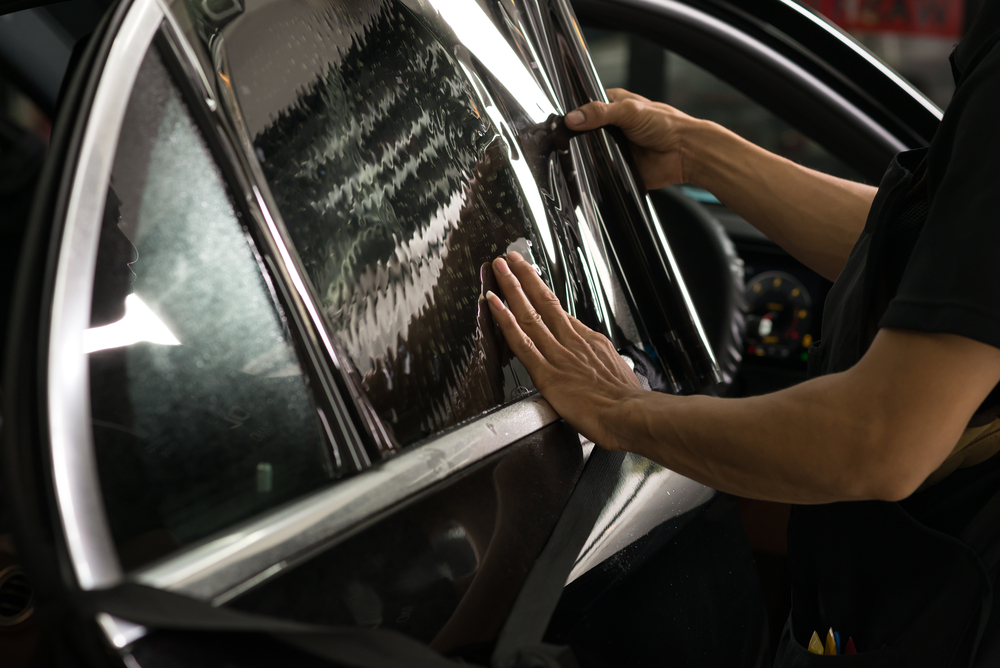
Car window tinting is great for aesthetics, but even better for adding safety and comfort to your vehicle. Window films can reduce more than half the amount of heat and glare that comes in through your windows, as well as blocking almost all harmful UV rays from the sun. During the Aussie summer, that makes a world of difference when driving (to both you and your skin!)
If you’re looking to get your car windows tinted, you’ll quickly notice that there are several different types of window films available on the market. There are budget-friendly options that help reduce heat, glare, and UV rays, as well as premium tints that offer added privacy and infrared reduction. There are shiny window tints, clear window tints, and reflective tints.
Here’s a quick summary of the types of car window tinting available. Not all these window films are made equal, but you’ll get a good idea of what each film is good for. Speak to one of our friendly window tinting specialists if you need some help choosing the best type of auto window tinting for you.
Metallic films
Metallic films combine a range of different metals throughout the manufacturing process, helping to reduce heat by deflecting UV rays from the sun. They’re easily recognised by the shiny outside appearance. While metallic window film is extremely resistant against heat and UV, there are a fair number of drawbacks (or really, just one big drawback). Being made of metal, this type of window film can interfere with mobile phone reception, as well as radio and GPS signals. If you’re big on blasting music and using your car navigation, this isn’t the film for you!
Pros of metallic car window tints:
- Excellent at blocking heat, glare, and UV rays;
- Won’t fade over time due to the metals;
- Highly durable – almost too durable considering it can block signals!
Cons of metallic car window tints:
- Can interfere with mobile, radio, and GPS reception;
- Has a very shiny and reflective appearance which some people don’t like.
Tinted films
Tinted or dyed window film is created by adding certain types of dyes to polymer film. If you’re looking for a really dark car window tint, this type is a great choice and looks excellent on any vehicle. Tinted films can absorb more than half of the sun’s heat and glare, helping protect your car’s interior and fabrics while also adding privacy. This is the best type of car window tint for those who are on a budget but still want top-notch window tint quality. Get the Madico Charcool window tint now!
Pros of tinted car window tints:
- Has a much sought-after dark and matte appearance;
- Doesn’t block radio or mobile signal reception;
- The most budget-friendly type of car window tinting available.
Cons of tinted car window tints:
- Can develop bubbles if not installed by a professional;
- Less effective at blocking heat than some of the other options.
Ceramic tints
These are the newest types of car window tints available on the market and use nano-ceramics to help absorb the maximum amount of heat. What’s great about ceramic car window tinting is that it offers more heat, UV, and glare reduction than other window tints, but comes in lighter shades for higher visibility. If you’re after car window tinting that doesn’t affect your vision or change the look of your car too much, ceramic tinting is your best bet! Get the Premium IR window tint now!
Pros of ceramic car window tints:
- The best type of window tinting in terms of blocking infrared heat, UV rays, and glare;
- Long-lasting and durable, it won’t fade over time;
- Doesn’t affect radio signals or mobile reception; Isn’t reflective, shiny, or dark.
Cons of ceramic car window tints:
- This is a premium car window film – the only real con is that it’s a little pricier than the less effective options!
Need more help, or ready to drive a comfier, cooler car? Get in touch with the team at Solartint Caringbah.